
Where were you when the November 29th issue of the New York Post dropped in 2006? I was likely sitting in my room, cutting up tabloid magazines my mom bought me while in line at the grocery store. I had a composition notebook dedicated to each celebrity I liked and I would cut out every photo of them and glue them in their designated notebook. Listen, I had social anxiety and needed my weird, meaningless little hobbies to get me through. Give me a break!
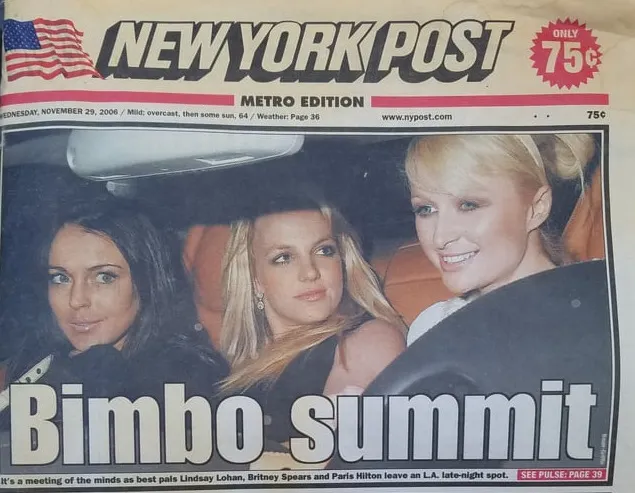
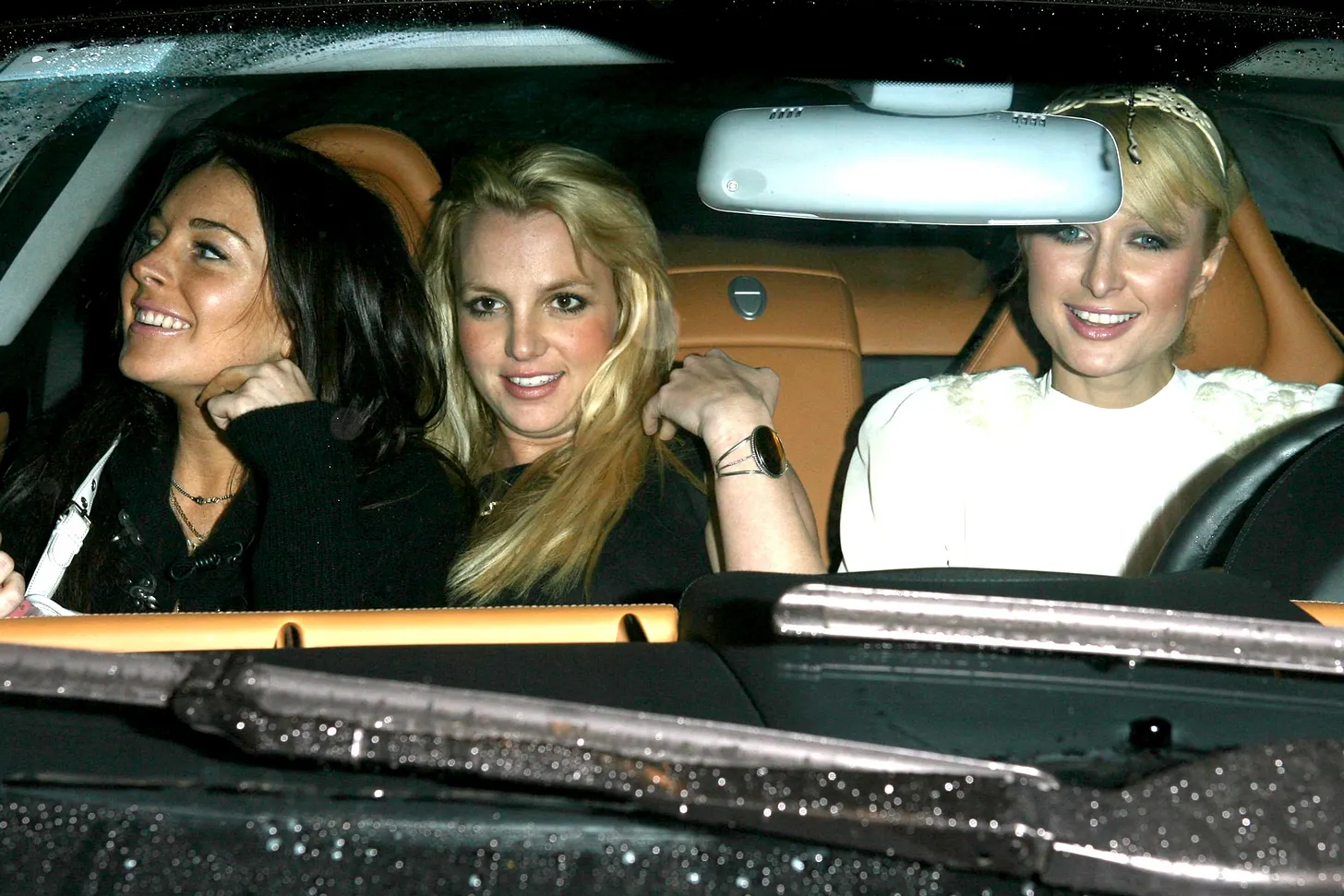
The now-infamous New York Post issue featured a paparazzi photo of Britney Spears, Lindsay Lohan, and Paris Hilton with the headline “Bimbo summit” splashed on the front page. Of course, calling it the Bimbo Summit is fucking hilarious, but at the same time, spurring national speculation and public scorn on three young women is very much Not Chill. Two things can be true at once.
In her book, Paris: The Memoir, Hilton describes the moment: “Lindsay got in the car, which was kind of awkward because I was driving a Mercedes-Benz SLR McLaren that had only two seats. She got in, and Britney kind of wedged up on the middle thing where, ideally, you would put your purse. On a video that captured this moment, there’s a collective gasp, and then one of the paps says, ‘Oh, this is gonna be classic!’”
And that pap was right! The Post’s cover photo began racking up headlines, causing even more rumors to swirl about the three and their alleged on-and-off-again feuds. Just as Paris says in her book, someone bought a house with those pictures.
“I tried to stay out of the alleged “feuds” the tabloids were always whipping up. They constantly printed complete BS about my “bitter feud” with a friend I had no issue with or my “catfight” with some stranger I stood three feet from on a red carpet.”
While Paris claims these feuds were “BS” in her book, I think the truth likely lies somewhere in the middle. Even on her podcast, she kind of backtracks this by saying: “[Spears and I] were walking to the car and all of a sudden got swarmed by tons of paparazzi. Just as we were walking to the car, that’s when Lindsay came up. It was kind of awkward because we were having some drama.”
Given all the bad press at the time, and given that Lindsay was leaving the party with publicist Elliot Mintz, it’s not too far-fetched to assume that Elliot saw an opportunity to smooth things over publicly after Lindsay called Paris a c*nt on camera. Either way, whether there was a real feud or a PR-manufactured one, it almost doesn’t matter because the public didn’t need, nor care about, the truth.
Take Her to The She-otine!
Before paparazzi up-skirts, toxic tabloids, and hell, even photography itself, there was Queen Marie Antoinette. Like many young women before her, and like many after, Marie Antoinette unfairly became an entire country’s punching bag long before she ever lost her head. A teenager who was shipped off to a foreign court before she barely hit puberty quickly became a symbol for France’s wealth gap. (Hey, if you became queen of an entire country when you were a teenager, I’d dare you to not spend your country’s gold on pugs and macarons!) She was a favorite subject of the local political pamphlets, known as libelles. They accused her of every imaginable depravity — having orgies in the palace (cool), having a lesbian affair with the Princesse de Lamballe (very cool), committing incest with her own son (ew), and being a foreign agent (eh). Much like the social media pile-ons of today, a fictional monstrous version of Marie was quickly erected for public consumption.
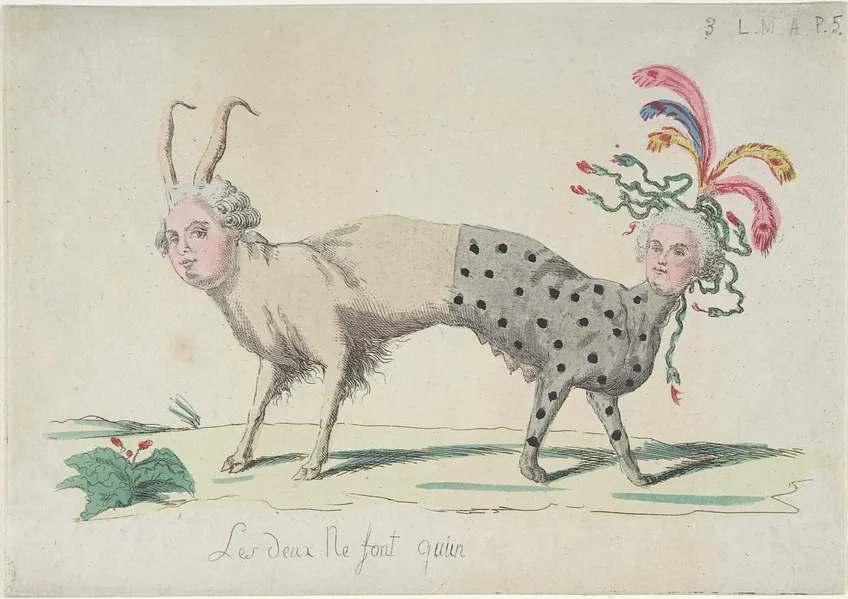
After they attempted to flee Paris during the early years of the revolution, King Louis XVI and Queen Marie Antoinette both became frequent targets of French caricature artists. The way they were strong-holding their royalism while their people were struggling quickly turned public opinion against them, to say the least. In the image below, an anonymous artist portrays the royal couple as a two-headed creature. The king is given the body of a pig and the horns of a cuckold, no doubt a reference to his wife’s rumored affairs. The queen sports the body of a hyena wearing a fancy headdress of snakes and ostrich feathers, a pun on her Austrian heritage. But of all the rumors, none has stuck in the cultural zeitgeist quite like these four little words she never said. "Let them eat cake."
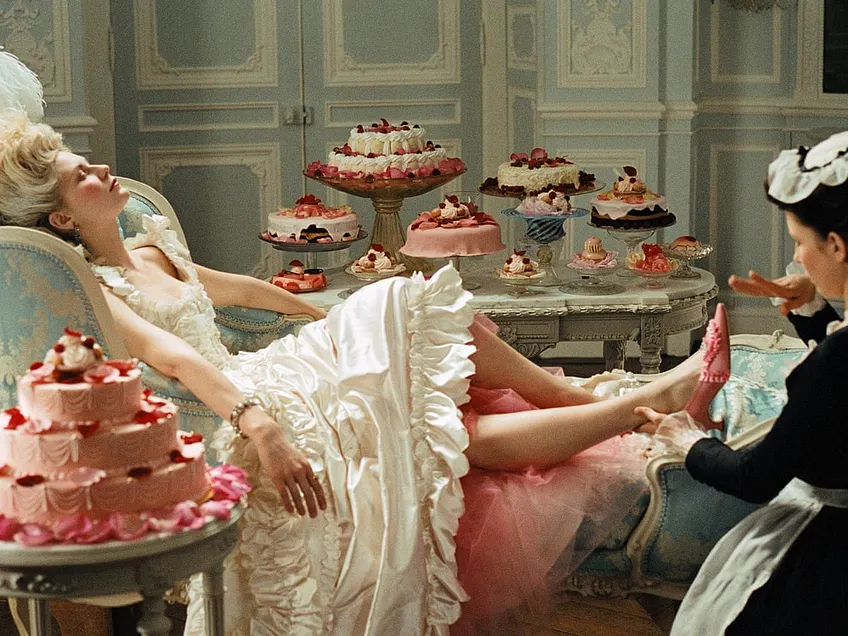
People may be shocked to discover that she wasn’t only misquoted, there is actually zero evidence that she ever said the phrase at all. The phrase can be traced back to Rousseau’s Confessions, written before Marie ever set foot in France, and is in reference to an unnamed “great princess.” The first time the quote was even connected to Marie was in 1843, fifty years after her execution. (It’s one thing for a rumor to spiral during your lifetime but for one to retroactively be attached to you then remembered for centuries as fact? Damn…) But as a writer, I must admit, it makes for a really good soundbite. Much like the tabloids of the early aughts, or the social media pile-ons of today, the formula has always been the same for tearing someone in the public down — make it anonymous, salacious, unverifiable, and designed to be consumed rather than believed. Again, the truth was never the goal.
Despite the countless examples of how fame is a monstrous burden, there is still no shortage of folks willing to claw their way to the top. We’ve seen the extremes one is willing to go through to be seen, adored, and immortalized. They sacrifice their privacy, their communities, and in many ways, their dignity to promote themselves and their work. Are they not aware that underneath the glittering facade of fame is a dark underbelly that needs to be fed?
We have to assume that nobody chases fame believing that they will end up bald and smashing a car window with an umbrella. We can watch it happen to hundreds of others and still believe, “not me, though.” That’s that indomitable human optimism! In her book The Age of Magical Overthinking, Amanda Montell describes what she calls “the halo effect,” an unconscious tendency to make positive assumptions about a person’s overall character based on our impressions of one single trait. Who among us has not felt like everyone around you is more successful based on your Instagram feed? We assume famous people must be happy and fulfilled because they are rich and successful, which glosses over a lot of the sacrifices they had to make to get there. Despite a mountain of visible casualties, the myth of fame is a lot stronger than the evidence against it.
“Anyone who is someone first started out as a delusional dreamer.”
But say what you will about fame, it does deliver on the promises it makes. It can bring you money, validation, and an escape from the ordinary. So even when one is aware that the burden is real, they also know the payoff is as well. Of course, not everyone in the spotlight chooses this life. Some were pushed into it. I mean, it’s not like Marie Antoinette was sending out self-tapes to audition for the role of Queen of France. There are many ways one can have fame thrust upon them — through birth, marriage, one viral video. But it hardly matters how you got there, the monster still needs to eat.
It’s probably worth mentioning that I will be referencing mostly (eh, all) women in this post. That’s not to say that men don’t also experience the real cost of fame, but there is an inflation that comes with being a woman in the spotlight. While male celebrities can certainly make tabloid headlines, it tends to skew toward a scandal or an actual wrongdoing of theirs. As opposed to women who could trend for simply existing; for her appearance, her body, her sexuality and the level at which she expresses it, her “likability,” her decisions on motherhood, how she is aging, etc… you get it.
Birth of a Baddie
There is an enigmatic “it factor” to the baddie It girl, an intangible quality that allows her to captivate attention and admiration with the flick of her glossy pony. The It girl is a beautiful contradiction. She is both aspirational and elusive; both known and unknown. She commands attention, yet remains mysterious. It’s up for debate whether one gets to choose their own path to baddie-dom, or if they are assigned at birth. Either way, one thing is certain, and that’s the level of audacity one must possess to become an It girl. In Julia Fox’s book, Down the Drain, she says, “Because the truth is, anyone who is someone first started as a delusional dreamer.” You can’t keep a true baddie down! If it could be anyone, why not her?
But one can’t raise their star on audacity alone. Self-belief only gets you into the room. It’s the audience that decides whether you’re allowed to stay, and what you’re allowed to become once you’re there. She can build the persona, but she doesn’t get to build the audience’s appetite for it. There is a psychological cost that comes with being a muse rather than a person. Sometimes the price of being seen is losing sight of yourself. The baddie’s journey is one of constant reinvention, straddling the line between self-creation and self-preservation. Is it even possible to be both aspirational and elusive? And can you do it without owning a statement coat?
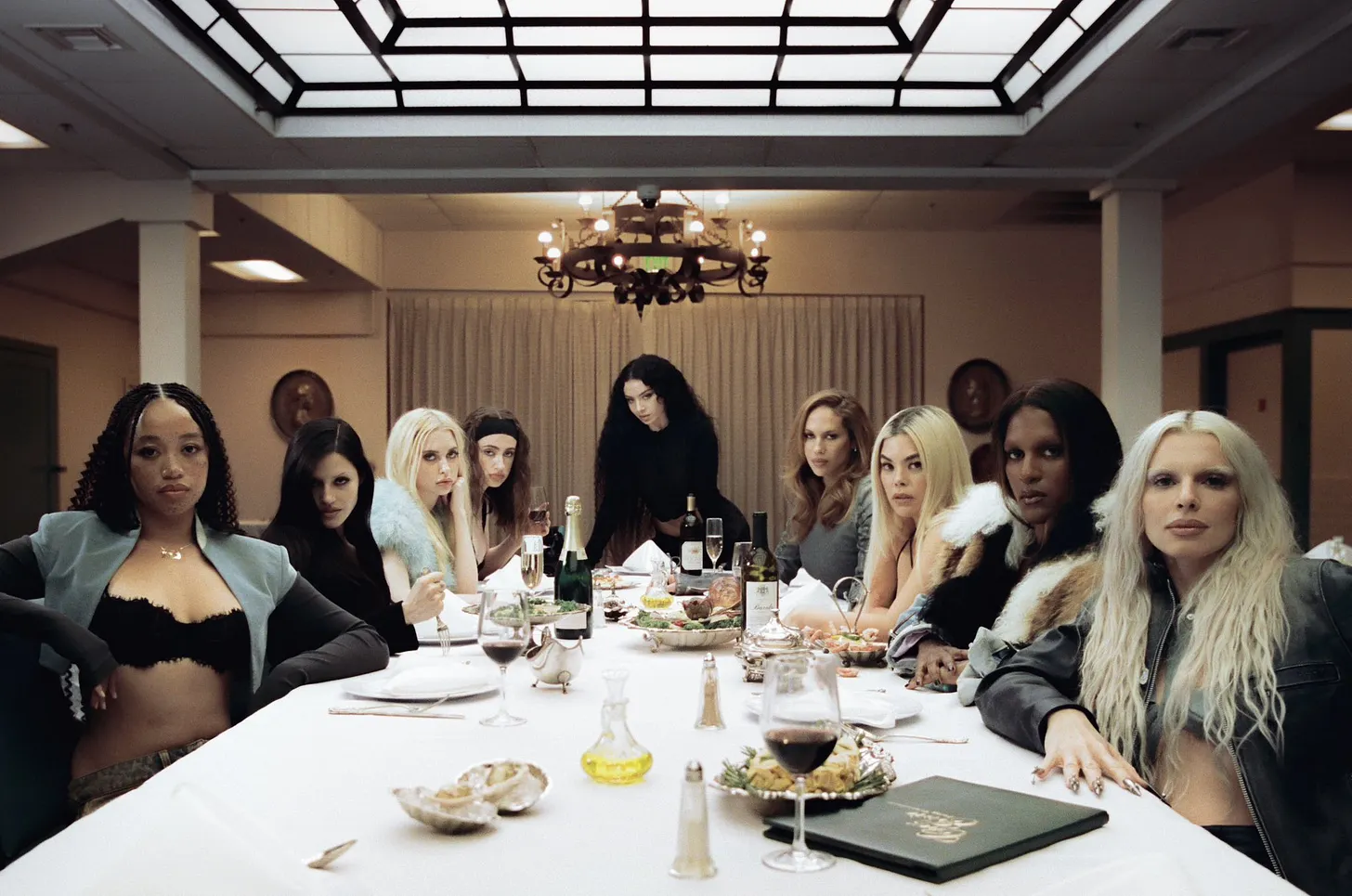
While the line can be thin, there is a distinction between the It Girl and the Celebrity. Where the It girl gives an air of effortlessness, the Celebrity actually wants it, and she’s not afraid to show it. For example, despite all of her influence, Taylor Swift is not an It girl. She is a capital-C Celebrity. Relatability and It girl status are fundamentally incompatible. It girls run on scarcity, something the average person cannot have, but their allure is so strong that their fans will settle for crumbs. (For example, I could never be as cool as the Olsen twins, but I can buy the $45 shoes Mary-Kate wore in this one picture.) Taylor’s model runs on the complete opposite of the It girl. She relies on the parasocial intimacy she creates with her fans to create mass appeal and accessibility. She lets her fans into her world with Easter eggs, annotations, and explanations of her songs. Hey, admittedly it has made her one of the biggest stars alive, but that doesn’t make her an It girl.
But the thing about the It girl, while it may give more street cred, it is a young woman’s game. There is a shelf life to cool, and Taylor took the road of preservatives and longevity instead. Who can blame her?
“Part of the 100-year intrigue is that an It girl is a nebulous concept. Initially she’s a break from a certain homogeny, but she eventually ushers in a new kind of homogeny.” - Raven Smith
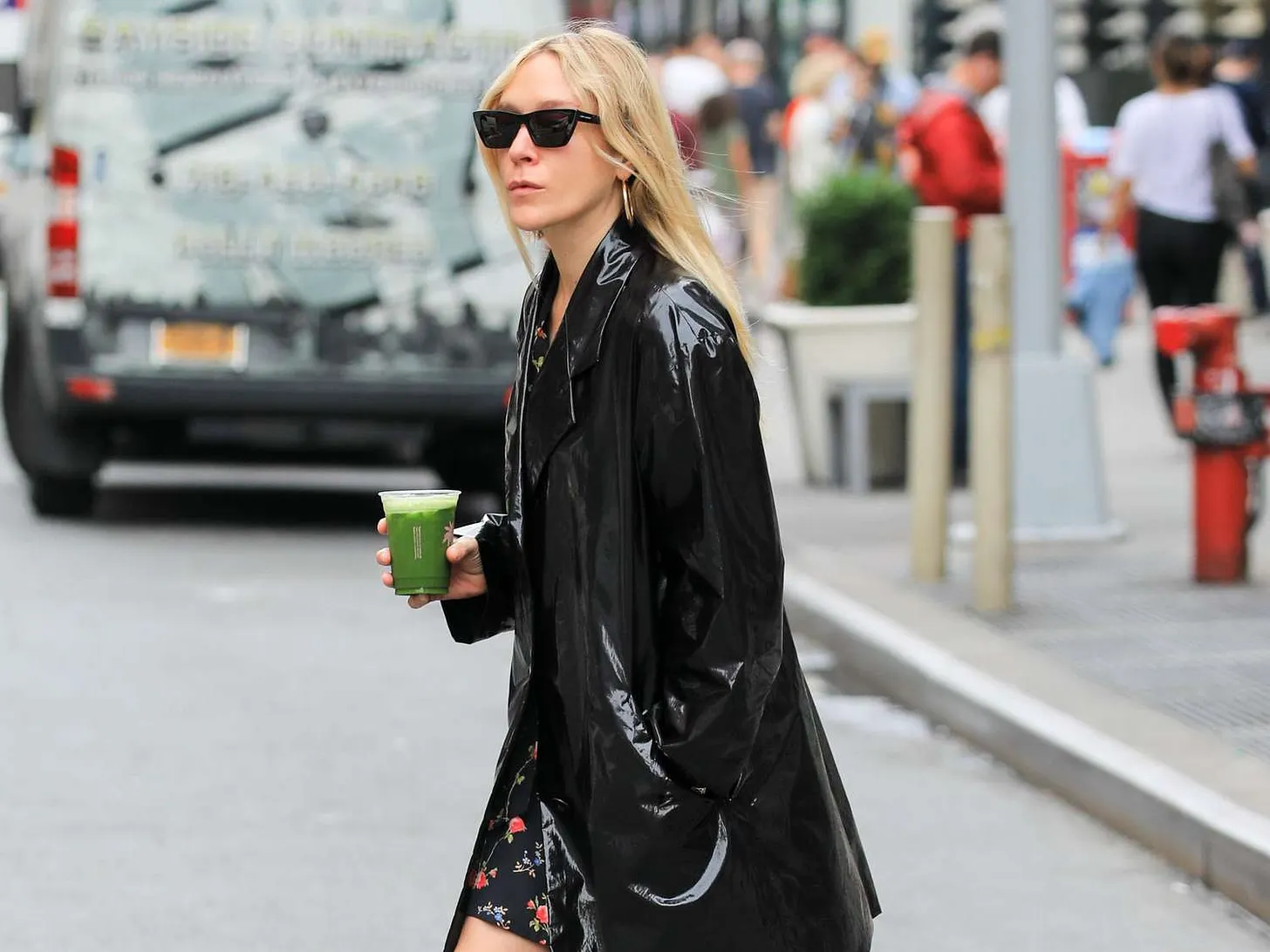
By definition, it is the It girl’s entire function to be temporary. She is of the moment and that moment has an inherent expiration date. Looking back on photos of 2013 It girl Alexa Chung, I am transported back to the era of Tumblr that shaped me — American Apparel, Lana del Rey’s Born to Die, and misunderstanding Lolita. These days, the classic It girl aesthetic looks like your run-of-the-mill Pinterest mood boards, but at the time, it really was something special.
Climbing Cringe Mountain
Every rising star eventually has to climb dangerous peaks for fame. It’s an unglamourous, humiliating trek, filled with low-budget content, try-hard captions, and versions of yourself that you haven’t quite pinned down yet. There’s no chairlift, no shortcuts, no chalet to rest your weary bones in between. Some have flourished, but many more have perished. The audience has zero patience for rough drafts. We all have to go through some version of cringe mountain, of course, famous or not. The difference is that most of us don’t have to perform our growing pains in public.
On an episode of their podcast, Las Culturistas, comedians Bowen Yang and Matt Rogers coined a term for this journey — “climbing cringe mountain.” They describe it as a climb you have no choice but to make because on the other side is promised to be “nirvana” (legitimacy, credibility, maybe a Grammy nomination). But nobody warns you how long the climb actually takes, or how many people will watch you trip on the way up. Or whether you’ll make it to the top at all, or how you can still be pushed down? It makes you wonder if there even is a top at all, or if everyone is just pushing their boulder of fame up the mountain, Sisyphus-style.
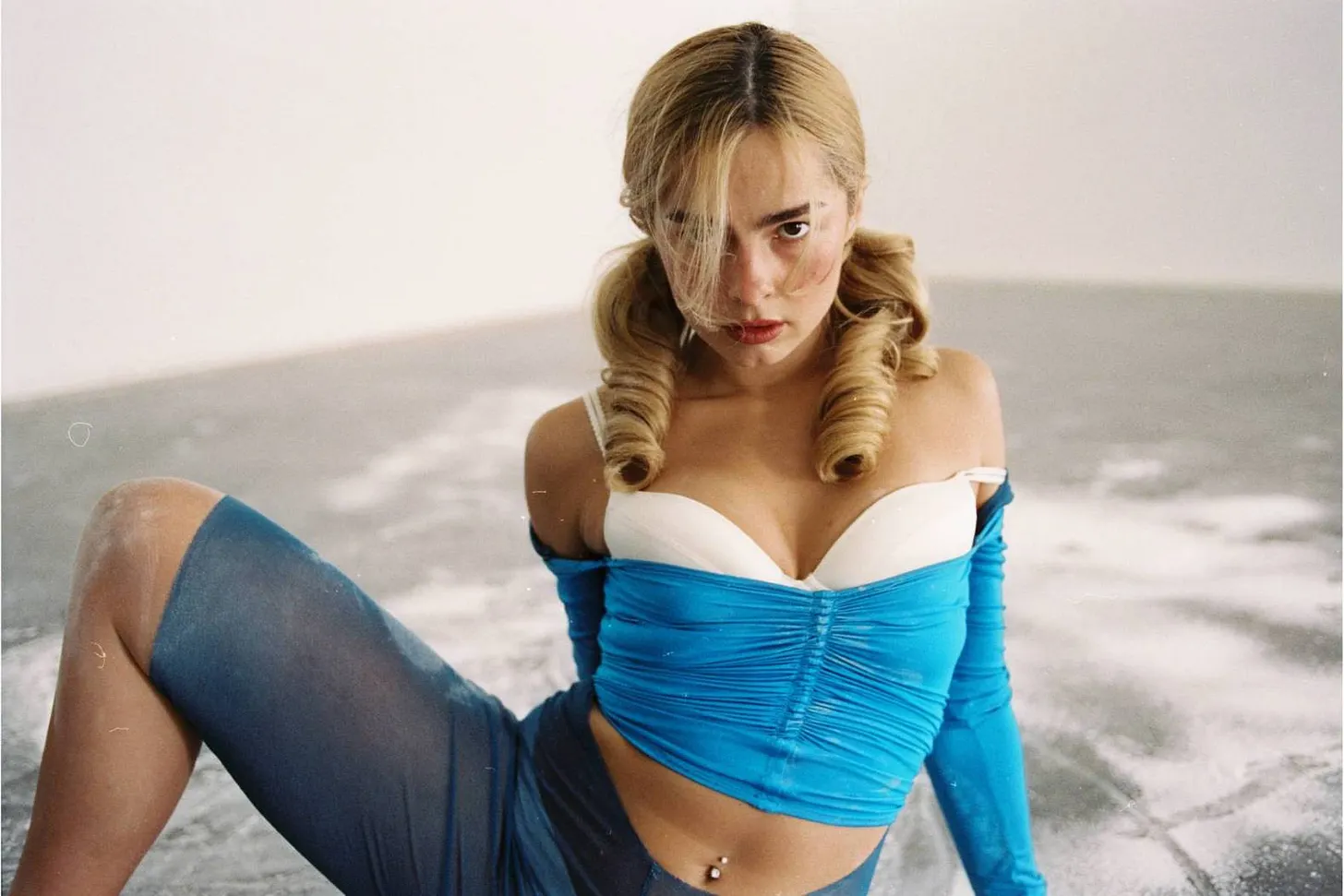
I’ll use current reigning pop princess, Addison Rae, as an example. Her climb began in 2019, when she joined TikTok and quickly became one of the platform’s most-followed creators. Known for dancing to trendy songs in her bedroom, she was creating the kind of content built to be scrolled past, not taken seriously enough to platform someone into pop stardom. But by 2021, she had parlayed that into steps toward an actual career in entertainment. She landed a role in He’s All That, and released a debut single, Obsessed, which critics promptly tore apart. The world wasn’t quite ready to welcome TikTok teens as legitimate entertainers.
Despite some missteps, Addison continued hiking up the mountain when a key foothold came from an unlikely co-sign — a collaboration with an actual cool girl, Charli XCX. Charli first appeared on Addison’s EP for the song “2 die 4”. (As a longtime Charli fan, this song was enough to solidify me as Team Addison. This song remains one of my favorites.) The following year, Addison was featured on Charli’s “Von Dutch” remix, off her mega-successful album Brat. Charli’s co-sign offered Addison the proximity to credibility, and both of these features no doubt raised her It girl stock considerably.
By the time “Diet Pepsi” dropped later that year, things had certainly shifted in Addison’s favor. Critics who once rolled their eyes were calling it a legitimate pop moment. You could hear her being played from gay clubs across the world, which is basically like winning a Nobel Peace Prize as a pop girly. When her debut album, Addison, finally launched in 2025, it not only charted, it landed her a Grammy nomination for Best New Artist. It took six years, but Addison Rae managed to go from making thirty-second dance videos on the base of cringe mountain onto the other side.

But cringe mountain isn’t only about persevering through the embarrassing slosh — sometimes it’s a minefield.
In March 2021, Addison appeared on The Tonight Show to teach Jimmy Fallon the viral TikTok dances (part of her excruciating cringe climb). These were dances that were mostly created by Black creators and were given no credit on air. It was a familiar pattern of white creators profiting from Black creativity. The backlash was swift and justified. For a moment, it looked like the name Addison Rae would become permanently associated with “cringe TikTok dancer.” But to her credit, she reached out to the original creators and Fallon aired a follow-up segment crediting them properly. I’m not necessarily giving her a gold sticker for that, but I’m more pointing out how stepping on a landmine isn’t always the end of the climb.
Authenticity is the price of admission to the mountain’s other side. Audiences don’t just want to watch a star. They want to know them. Their fandom is a transaction, and they want to feel like they’re getting something out of the deal — access, intimacy, credit for making them who they are. Without authenticity, it can create a hollow persona, one that can easily be tossed back over the edge whenever the audience is through with them. *sigh* But if only it were as simple as “just being yourself,” right? The truth is, there is nothing effortless about stardom, and even authenticity can be crafted in a lab — and authenticity paired with a team? Lethal.
Britney Spears’ good-girl-next-door act made her famous, but it wasn’t a reflection of who she really was. Journalists would ask her directly whether she was a virgin — at press conferences, red carpets, late-night shows. Her memoir later revealed that her purity pledge was fictional from the start, crafted by her team to protect a teenage fan base. Meanwhile, she had actually lost her virginity at fourteen. In her book Female Chauvinist Pigs, feminist writer Ariel Levy identifies Britney as the exemplar of a culture that valued “the appearance of sexiness, not the existence of sexual pleasure” in women. The audience never needed her purity to actually be real. It just needed to be believable.
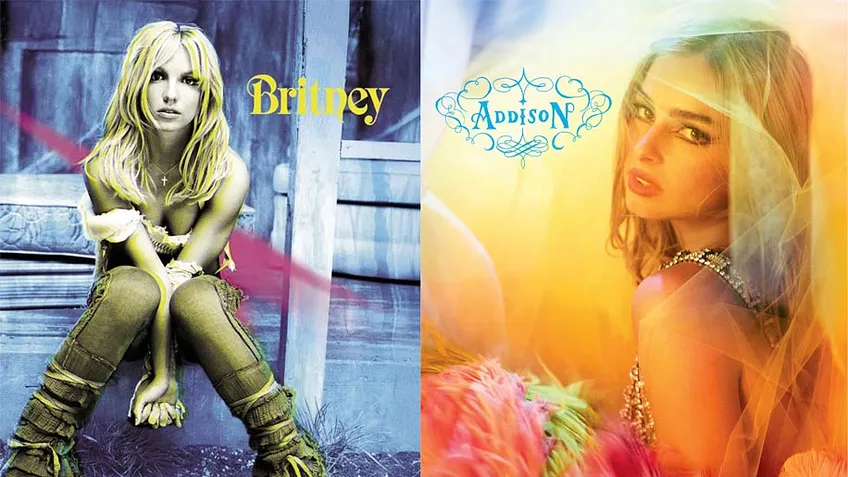
Returning to Addison Rae, who has gone viral many times for recreating iconic looks, many critics wonder is she is undermining her own legitimacy by leaning too hard on other pop stars’ iconography — most notably Britney Spears and Lana Del Rey.
Addison Rae, Diet Pepsi: My boy's a winner, he loves the game / My lips reflect off his cross-gold chain / I like the way he's telling me / My ass looks good in these ripped blue jeans / My cheeks are red like cherries in the spring / Body's a work of art you'd die to see […] Break all the rules 'til we get caught / Fog up the windows in the parking lot /Summer love (ah, ah), sexy / Sitting on his lap sippin' Diet Pepsi / I write my name with lipstick on your chest / I leave a mark so you know I'm the best
Lana Del Ray, Diet Mountain Dew: Diet Mountain Dew, baby, New York City /Never was there ever a girl so pretty / Do you think we'll be in love forever? / Do you think we'll be in love? / Baby, put on heart-shaped sunglasses / 'Cause we gonna take a ride / I'm not gonna listen to what the past says / I've been waiting up all night / Take another drag, turn me to ashes / Ready for another lie? / Says he's gonna teach me just what fast is / Say it's gonna be alright
Lana Del Ray, Cola: My pussy tastes like Pepsi cola / My eyes are wide like cherry pies / I got sweet taste for men who are older / It’s always been so, it’s no surprise […] Come on, baby, let’s ride / We can escape to the great sunshine / I know your wife and she wouldn’t mind / We made it out to the other side […] I fall asleep in an American flag / I wear my diamonds on Skid Row / I pledge allegiance to my dad / For teaching me everything he knows
The Diet Pepsi / Cola / Diet Mountain Dew connection, combined with the questionable-love-while-in-a-car imagery and a cherry-tinted sensuality, make the Lana Del Rey references undeniable. (Not to mention the whole Rae-Ray of it all.) But the song’s title “Diet Pepsi” is doing double duty here, because it could also be a nod to the OG Pop Princess, given Britney’s long-standing relationship with the soda. Who could forget this iconic commercial? Or this one? Or the “I really do like Pepsi” interview? We’re still witnessing the early stages of Addison’s career, so the question remains open-ended — is this borrowing of other pop stars’ legitimacy just another phase of climbing cringe mountain? Or will she now calcify into an original persona now that she’s made it on the other side? Nobody knows just yet, least of all probably her.
It’s Lonely at the Top
In her book, Toxic: Women, Fame, and the Noughties, Sarah Ditum writes that Britney Spears would be “famous in a way no pop star before her had ever been.” She arrived just in time for the arrival of the internet, digital cameras, and 24/7 gossip blogs. Before all of this, celebrities were accustomed to a very different version of fame, one where fans were held at an arm’s length. But in the modern age, fame doesn’t ask for just your talent or hard work — it demands everything. By the late 90s, Britney had become a household name, one who felt more attainable than pop stars of the past. We knew her favorite color, saw her shop for groceries, what she wore on her off days, and even the intimate details of every relationship.
The invention of social media several years later only exacerbated this feeling of accessibility, allowing audiences to see even further into the day-to-day of celebrities and those around them. The invasion of privacy doesn’t stop at the celebrity’s own doorstep. Now, the audience no longer only knew your work. They knew your friends’ names, your family members, and where you live. Lena Dunham writes extensively about how fame distorted not just her relationship with herself, but to those who never signed up to be famous in her latest book Famesick.
“You’re the goose that lays the golden egg,” my father had once told me during Girls. He didn’t mean it in a nice way. He meant that the goose may be well-fed, well-nourished, coddled, and celebrated. But nobody protects that goose because they love it—they protect the eggs. And if the goose fails to make eggs, it goes from being a coddled pet to having its head chopped off faster than you can say “duck liver pâté.” Never mistake maintenance for care, attention for love, or even love for empathy. — Lena Dunham, Famesick
So, if proximity to fame does this much damage, why does anyone stick around? For some, it’s not just a lifestyle. Fame is a business, and those at the top don’t get there without the work and sacrifices of those who serve them. The entertainment ecosystem binds people to fame in a way that makes it difficult to walk away from. Their careers are tethered to the whims of fame, and stepping away means sacrificing their work and livelihood. For others, it’s more about access to a lifestyle you would never have otherwise. Fame can be intoxicating, and it makes the loss of autonomy seem like a small price to pay in exchange for private planes and Michelin meals.
Who could ever leave me, darling, but who could stay? …. They see right through me, do you see right through me? — Taylor Swift, The Archer
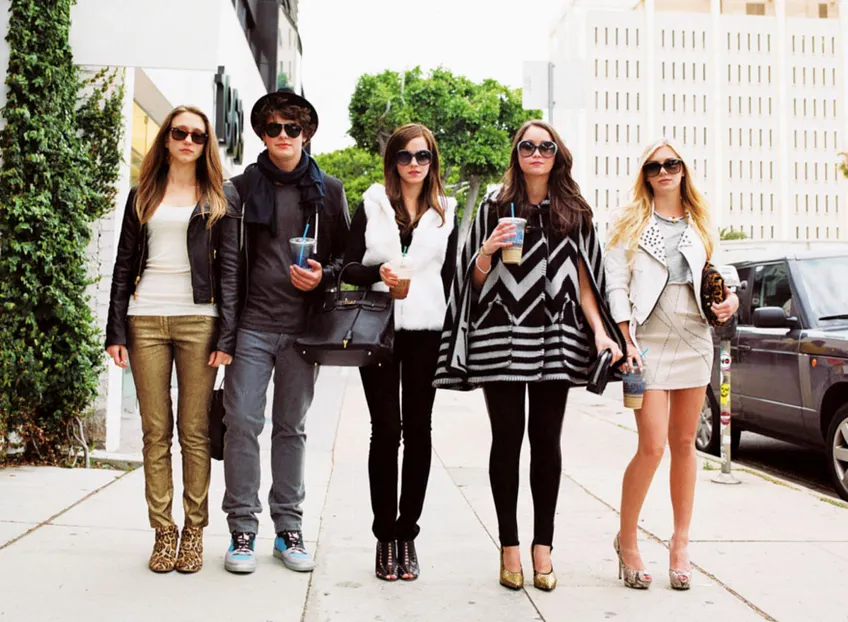
But what about those without that access? What about those who want to reach out and take it? In 2006, pop culture website Gawker had what they called the “Gawker Stalker,” which showcased where celebrities were (and weren’t) at any given time. This tracking ecosystem led to the famous Bling Ring scandal, where a group of LA teens used gossip blogs and social media to break into the houses of celebrities while they were out of town to steal designer clothes and accessories. Interestingly, the teens were not robbing with the sole purpose of selling these items for a profit — it was primarily for them to wear themselves. To them, both the celebrities’ lives and their possessions were all up for grabs. As Sarah Ditum says in her book, “Attention was the vampire you invited in once and could never expel.”
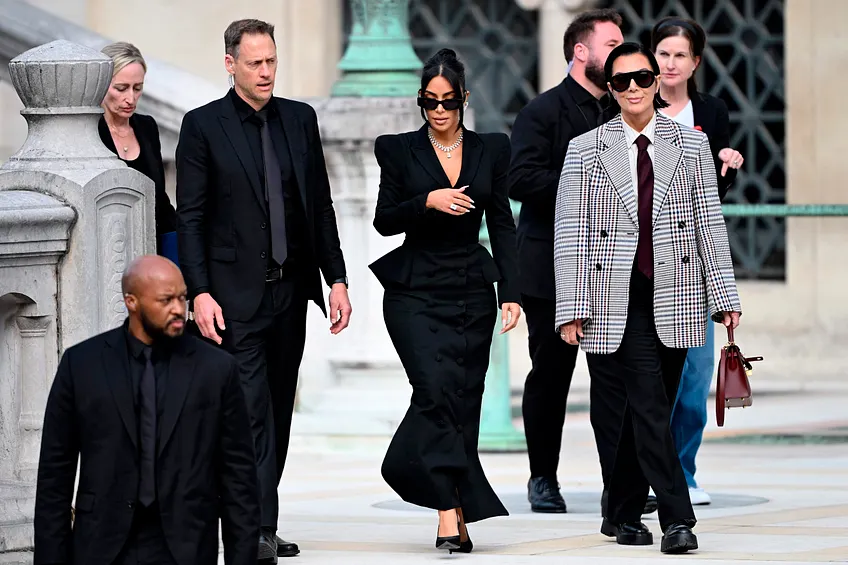
This invasion of privacy escalated even further in October 2016, when a group of men broke into Kim Kardashian’s Paris hotel room during Fashion Week, tied her up, and stole roughly $10 million in jewelry, including the $4 million ring she’d shown off (repeatedly) on her socials. Years later, one of the men convicted told Vice News exactly how they planned it: he watched her social media, saw the ring, knew she was in Paris for Fashion Week, and thanks to paparazzi, knew exactly where she was staying. No hacking or inside sources required. She had broadcast her own coordinates. Kim has described the seven or eight minutes she spent bound and terrified, certain she was going to be assaulted or killed, as the most traumatic of her life. After the robbery, she went dark for about three months, an eternity by social media standards. When she resurfaced, it was right in time for new season promos for Keeping Up with the Kardashians. This isn’t a case for blame — nobody deserves to be robbed at gunpoint — but it says a lot about how tightly fame’s grip can be.
Since the robbery, ‘post after you’ve left’ has become the semi-official rule of celebrity social media. (Strangely, the solution to this was not to stop posting entirely, only to self-censor. The fame monster still needs to be fed, after all.)
Para-Socialite
I’ve never screamed at a concert or built a shrine to a celebrity crush. (Well, I do have a handful of photos of Shia LaBeouf saved on a hard drive but… I’m only human.) However, I am a big podcast listener. I have a handful that I rotate weekly, some of which I even relisten to from the beginning like they’re episodes of 30 Rock. I often find myself slipping into that grey area between listener and friend. Sometimes I start a sentence like, “A friend of mine said,” before catching myself quickly saying, “— Sorry, no, I meant, I heard on a podcast…” But who can blame me! In many ways, a podcast is even more personal than a movie, or a song, or even a stand-up special. Much like my real-life friends, I know what they did last weekend, who they’re dating, what’s stressing them out. It’s disarmingly easy to forget that this is a very one-sided friendship. This is known as a parasocial relationship.

parasocial (adj): a relationship characterized by the one-sided, unreciprocated sense of intimacy felt by a viewer for a well-known or prominent figure, in which the fan comes to feel (falsely) that they know the celebrity as a friend.
Little Monsters, Swifties, the Bey-Hive. These aren’t just nicknames for fans of pop stars — these are identities. It starts with consuming a piece of art, then loving it, then consuming it over and over again. Eventually, the fan folds the persona of their favorite artist into their own sense of self. In her book Monsters, Claire Dederer describes a true fan as something beyond a casual consumer. The fan is a “consumer plus.” The fan is someone who becomes defined by the art they consume. The distinction, of course, is that we are not engaging with these artists themselves, only their product.
Sociologist John Durham Peters points to broadcast journalism as the beginning of this parasocial phenomenon. For the first time, radio and television broadcasters seemed to be directly addressing individuals in their own homes, rather than speaking to a crowd of people. This was a brand new sensation, one that arguably our brains weren’t designed to handle. Compound this with today’s internet and the easy access to celebrities… well, it only becomes more confusing.
The internet revolutionized fandoms by allowing fans to create their own content through forums, fanfiction, and online communities. For the first time, fans were able to connect with like-minded individuals and actually interact with the art, not just consume it. This is all harmless fun in theory, but it becomes darker once a fan approaches the personas of a public figure with certain preconceptions, clinging to the illusion that they have a special connection. Once you start interpreting an artist’s actions through your own identity, you’re cooked.

But celebrities do not just passively benefit from this parasocial attachment. They — and more accurately, their teams — are more than aware of this dynamic, and they’re happy to play into it. Remember when Justin Bieber used to pull a girl from the audience on stage to serenade her with “One Less Lonely Girl”? That wasn’t a random generosity from a celebrity to a devoted fan. It’s manufacturing a scalable illusion of individual attention, engineered for an audience of thousands who all get to imagine themselves in that seat. If it could be her, it could be any of us!
This same math runs on Cameo, an app where for less than the cost of dinner you could have a member of the Backstreet Boys tell your best friend happy birthday. For ninety seconds, a fan could feel like you’re truly being seen by someone you admire. Or a celebrity liking or commenting on a single fan’s post, instantly anointing them as the main character for that day. Like some kind of bedazzled ouroboros, the fan is both the consumer and the consumed — feeding an industry that feeds them back.
“Because of their role in promoting and financially supporting the artists they love, these fans have maintained a creator’s hand throughout those artists’ careers, treating them as collaborative projects. They take responsibility for every setback and share in the thrill of every success.” — Kaitlyn Tiffany, Everything I Need I Get From You
These celebrities rely on these fans not only to finance their art but also to defend it. A lukewarm review, a critic’s offhand joke — nothing is safe from an invested fanbase! Nicki Minaj’s Barbz, for example, are well-known for mobilizing against any critique. Someone posting the most mild criticism can find themselves buried under coordinated harassment, their personal information circulated, and even death threats. Once you’ve been told that you’re part of the collaborative project, one bad review doesn’t just insult the artist. It insults you.

But the effects of parasocialism don’t stop at admiration, unfortunately. Perhaps even more powerfully, it also exists within the darker obsession of hatred and moral superiority. Dederer notes that “rage is the emotion of the powerless,” reflecting the frustration felt by fans. This helplessness can manifest itself in many ways, from the obsessive urge to defend a favorite public figure to the heartbreaking betrayal when those figures don’t live up to expectations.
Take Yolanda Saldívar, the devoted fan who was convicted of murdering Selena Quintanilla in 1995. She was not just any fan, though. Yolanda was the president of her fan club and the manager of her boutiques. She pulled off what every fan would love to do, working her way up from audience member to intimately involved in the star’s life. When that access collapsed after she had been confronted over embezzling money, Yolanda shot Selena to death in a motel parking lot. This is a fan who got close enough to feel entitled to more.
Or there’s Ricardo López, who in 1996 mailed a hollowed-out book rigged with sulfuric acid designed to disfigure the recipient, Björk. Ricardo had timed his suicide to the delivery and hoped the two of them would be “united” afterward. Luckily, Scotland Yard intercepted the package before it ever reached her London home. Unlike Yolanda, Ricardo never got the access he felt entitled to, manufacturing a relationship and punishing her for failing to play her part.
Proximity or distance, access or not, either way, both can be seen as betrayals when the relationship becomes stained. The same powerlessness that drives someone to mail a bomb can also drive a pile-on when a teen idol gets married, or a celebrity turns out not to share your views. Justin Bieber getting married breaks the fantasy of availability, the illusion that it could have been you. While Harry Potter’s J.K. Rowling betrayed her fans by not sharing their values. She did not become unavailable (unfortunately, she has remained more available than anyone would like), but she revealed that she was never who her fans believed her to be in the first place. Loving any artist means, on some level, that you identify with them. When they become “stained,” we either absorb that shame as our own, or we cast them out fast enough to make sure we don’t have to.
The parasocial relationship asks something of the artist that no person can actually sustain: total availability, total loyalty, total moral perfection, forever. Something has to give. At the very least, we could all stand to be a little less unhinged about people we've never met.
Live Fast, Die Young and Leave a Good Looking Corpse
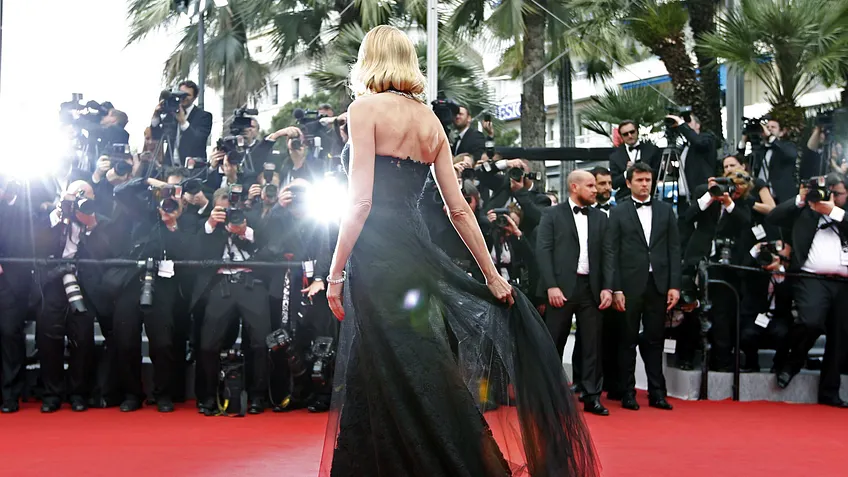
We’ve all been guilty of it, envisioning ourselves looking flawless on a red carpet, dressed in a designer gown. Despite seeing the mountains of evidence of the contrary, the lifestyles of the rich and famous is still seen as the dream to many. Becoming a pop star or an A-list actress is a one-in-a-million feat, and these stars do get paid a lot to do what they love — but that doesn’t mean the dream is everything they hoped for. We’re all familiar with the “careful what you wish for” thing, right?
The culture surrounding fame has made it nearly impossible for celebrities to live a normal life. Somewhere between the red carpet and the big screen, a celebrity stops being a human being and starts being a character. There is constant pressure for them to always be at the top of their game — no hair out of place, no fan turned away, never saying the wrong thing. It’s hard to fathom the little luxuries us common folk have, like being able to walk my dog in stretched-out cotton shorts and a Rob Zombie shirt with a hole in the armpit. What even is life if you don’t possess the free will to look like shit whenever you want?
It’s easy to forget that the person we see is only a curated fraction of the actual person underneath. When that real person peeks through the cracks, it can be both disarming and alluring. There’s a half-conscious belief that wealth must cancel out any suffering. How could someone with a mansion in Maui ever be miserable? Surely you forfeit those rights the second you sign for your third vacation home. The mental math here is that if they have everything and are still struggling, then either they must be ungrateful, or that the rest of us are working toward something that ultimately won’t save us either. Nobody wants to sit with the possibility that life is hard no matter how many cars your garage fits.
We’ve seen countless celebrities lash out, break down, or go insane before our very eyes. To this day, I can’t think about 2007 without picturing Britney shaving her head. Or reminisce about my favorite childhood shows without thinking about Amanda Bynes. The truth is, a celebrity’s career is never based on their talent alone. It just as heavily relies on how an audience perceives them at any given moment. A single bad week can move faster than any body of work ever could. Public scrutiny doesn’t just bring on insecurities, it can shrink their creative freedom and their livelihood all in the same breath. Basically, it’s stay likable or start losing.
As much as we love them, there is a collective tendency to fixate on the downfall of our celebrities. Of course, the Germans have a word for it — schadenfreude, or the delight in someone else’s misfortune. The industry is built on this kind of attention, and there’s no incentive for them to pull back. A public unraveling is always going to make a bigger splash than stability. Take the “27 Club,” for example. The club includes musicians who all tragically died around age 27 — Jimi Hendrix, Janis Joplin, Jim Morrison, Kurt Cobain, Amy Winehouse. It’s a popular mythology, one that romanticizes early celebrity death rather than just mourning it. The phrase “life fast, die young” isn’t just a description, it’s practically an aesthetic ideal. Cobain, who died at 27, quoted Neil Young in his suicide note: “it’s better to burn out than to fade away”
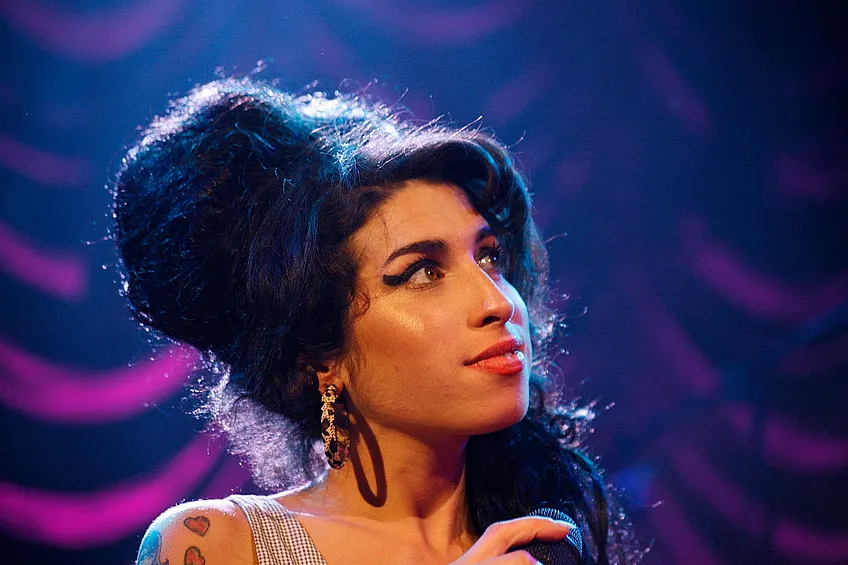
Even with today’s accessibility and the false sense of intimacy, fans can’t actually know the extent of someone’s private battles. With Amy Winehouse, the audience didn’t just watch her decline, their appetite for it kept the industry profiting from every stage of her downfall. It’s bitter irony that “Rehab,” the song about her own refusal to get treatment, became her biggest hit while she was actively struggling. Paparazzi camped outside her house daily, selling photos of her at her worst. The tabloids covered her deterioration with the same appetite they’d covered her rise. Late-night shows made her a punchline. By the time she died of alcohol poisoning at 27, the shock people claimed to feel rang hollow. Even the documentaries and memorials that came after, some explicitly trying to reclaim her story from the tabloids, are still, in the end, a product built on her death. Sometimes the only way the audience finally lets you become a legend is if you die before you can disappoint them again.
This all begs the question — why are we still consumed with the idea of fame? Money is the most obvious factor, of course. No matter how many times someone tells you money can’t buy happiness, it’s hard to fully wrap your head around the concept. Especially if you’re one of the roughly 60% of Americans living paycheck to paycheck; a multi-million dollar deal probably sounds like it could solve a lot right about now! But is it really enough so that your freedom feels like a good trade-off? Is a private plane worth losing your privacy, security, and sanity? To many, it is.
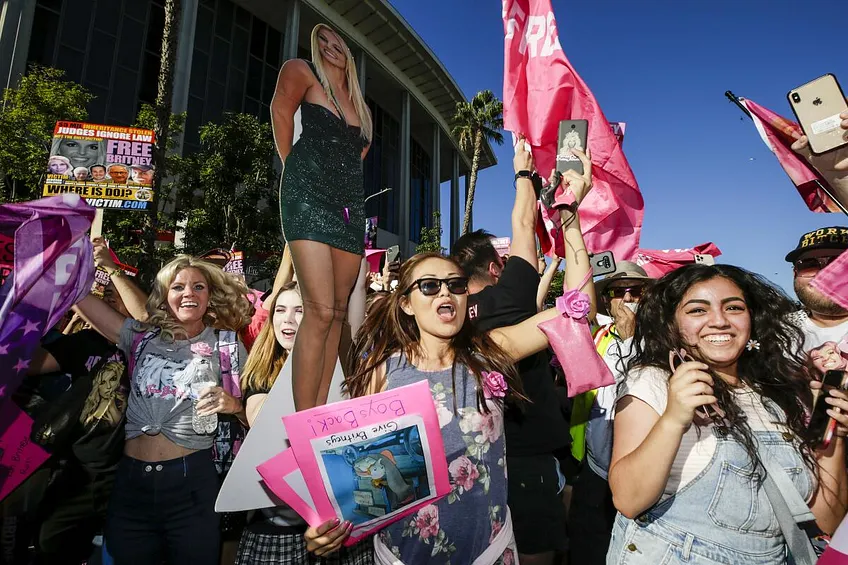
Nineteen years after “Bimbo Summit” a lot has happened. After thirteen years under an abusive conservatorship, a small, devoted corner of her fanbase began to look past the tabloid fodder and late-night punchlines. In 2021, the #FreeBritney movement really started to gain some traction. A few months after the documentary Framing Britney Spears came out, Britney testified in court, describing the conservatorship in her own words for the first time. Within weeks, her father stepped down and she was free. Unmistakenly, it was the audience — the same audience that treated her breakdown as content — who collectively refused to stop playing the part.
It took another documentary in 2020 for Paris to say, in her own words, what had actually happened to her as a teenager. Her experience with Provo Canyon School left her with nightmares for two decades, bringing to light that the girl these tabloids called spoiled and vapid was going through more than anyone could have imagined. Paris has spent the last several years testifying in front of state legislatures, and as of this year, the school is finally closing.
Lindsey took control of her life and left for Dubai, where photographing someone without their consent is against the law. She now lives there with her husband and their son who, by her account, has no idea what his mother does for a living, or what she survived to get there. She’s said she has PTSD from those years, from cameras she couldn’t escape and a version of herself the tabloids never let her outgrow.
The culture’s need for someone to build up and eventually tear down doesn’t seem to be going anywhere. It’s been running long before Marie Antoinette, and it’ll likely outlive all of us. But that’s not to say things can’t be improved.